
Honeybees in your building?
We remove them alive.
Live removal and apiary relocation from Birmingham, operating nationally. Honeybee colonies don't die off — they need to be moved.

Live removal, never extermination

Relocated to a safe new home
Guaranteed proofing - bees don't return
First, let's make sure you actually
need us
Not every flying insect requires professional intervention. Compare what you see with the
guide below.
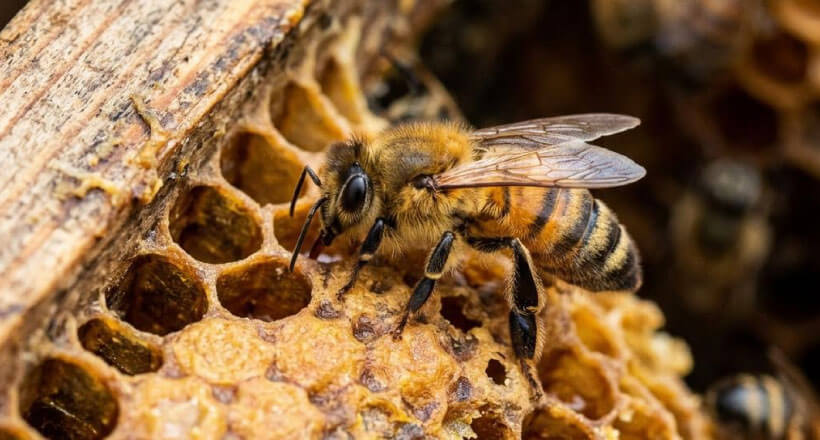
Honeybee
Amber-brown, visible comb, colony persists year-round. You likely need us.
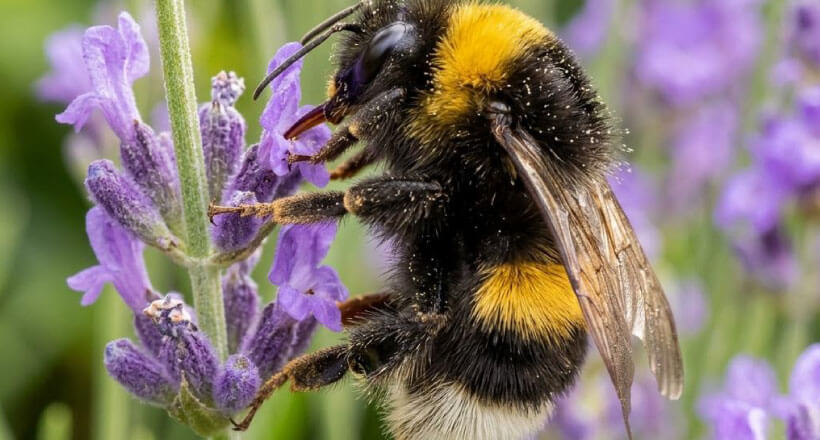
Bumblebee
Larger, rounder, furry. Colony dies off in autumn. You probably don't need anyone.
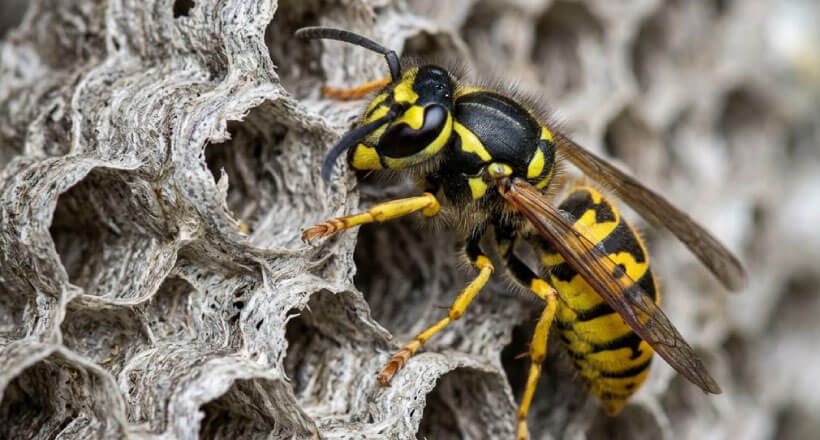
Wasp
Yellow and black, papery nest. Not our specialism — TLC Pest Control handle these.
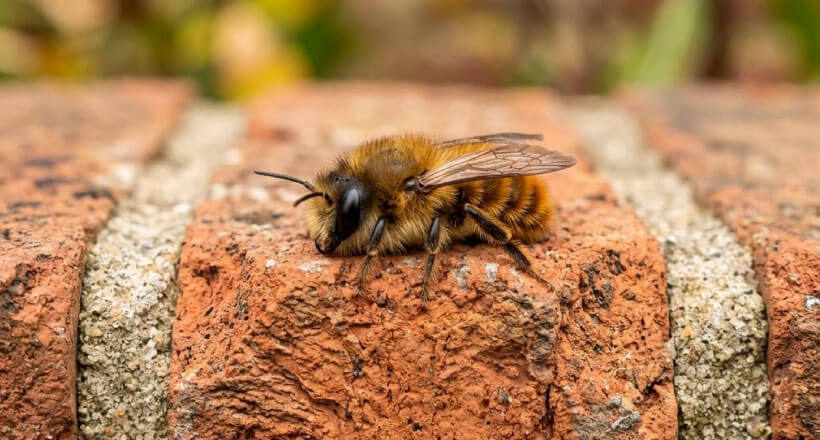
Solitary Bee
Single bee, no colony. Harmless. Leave it alone.
They don't die off
Unlike wasps or bumblebees, a honeybee colony survives winter. They return to the same nest year after year, growing larger.
They hoard wax and honey
A mature colony can store 10–30kg of honey. If abandoned or poisoned, this ferments, seeps through plaster, and causes massive structural damage.
They leave a pheromone trail
Old comb acts as a beacon. Even if the current bees die, fresh swarms will be attracted to the exact same spot every spring until it is fully removed and proofed.
Other bees move on.
Honeybees don't.
We often get calls from homeowners who paid a pest controller to "spray" a honeybee nest, only to find the problem returns worse the following year.
Exterminating a honeybee colony leaves behind kilos of unprotected honey. Without the bees to regulate the temperature and defend it, the comb melts, ferments, and attracts rodents, wax moths, and inevitably, a new swarm of bees.
The only permanent solution is complete physical extraction of the comb and live relocation of the colony.
We remove colonies from
anywhere
Every property is different. We have the specialist access equipment and structural
knowledge to extract safely.

Chimney removal
Most common. Bees enter through the flue or under the cap.

Wall cavity
The hardest access. Often requires thermal imaging.
Roof and soffit
Entry at verge or at fascia. Height access required.
Loft and attic
Often large established colonies. Comb can fill a whole rafter bay.
Outbuilding and shed
Faster access, but full removal still required.

Tree and swarm
Fresh swarm — the cheapest, fastest job. Act quickly.
Survey callout fees
Note: This is the callout and survey fee, not the cost of removal. Removal is quoted after survey.
+ VAT
What's included:
- Full survey of the property by a specialist
- Thermal imaging or drone inspection where required
- Written, no-obligation removal proposal and fixed-price quote
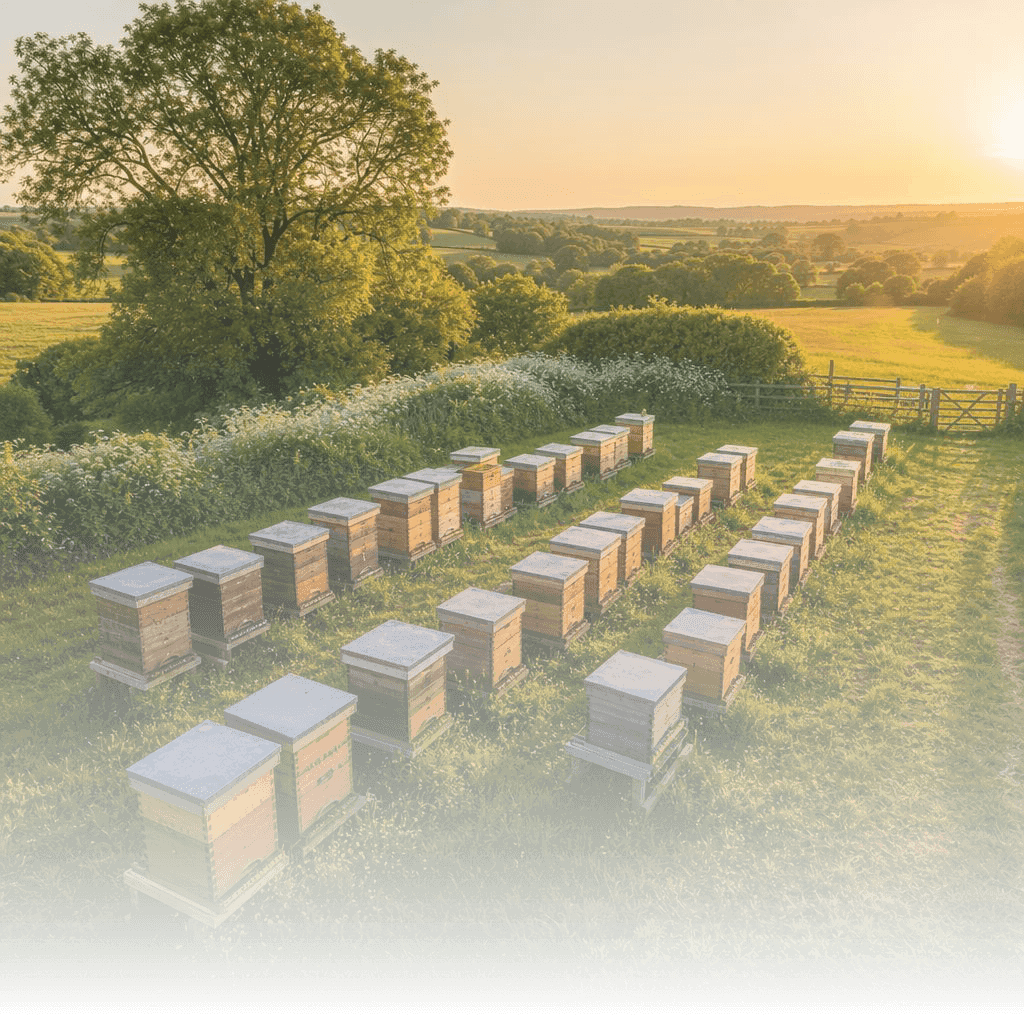
Every colony we remove is relocated to a safe new home
We don't simply hand bees off without knowing where they are going, and we certainly don't leave them in a field hoping for the best.
We work with a network of trusted beekeeping partners across the country who can take rescued colonies and give them the care and suitable home they need. After removal, we carefully arrange for the bees to be transported to an experienced local beekeeper, where they can be treated, cared for and continue to thrive.
Live colonies saved and relocated
Recent Removals
We document our work to show you exactly what to expect.
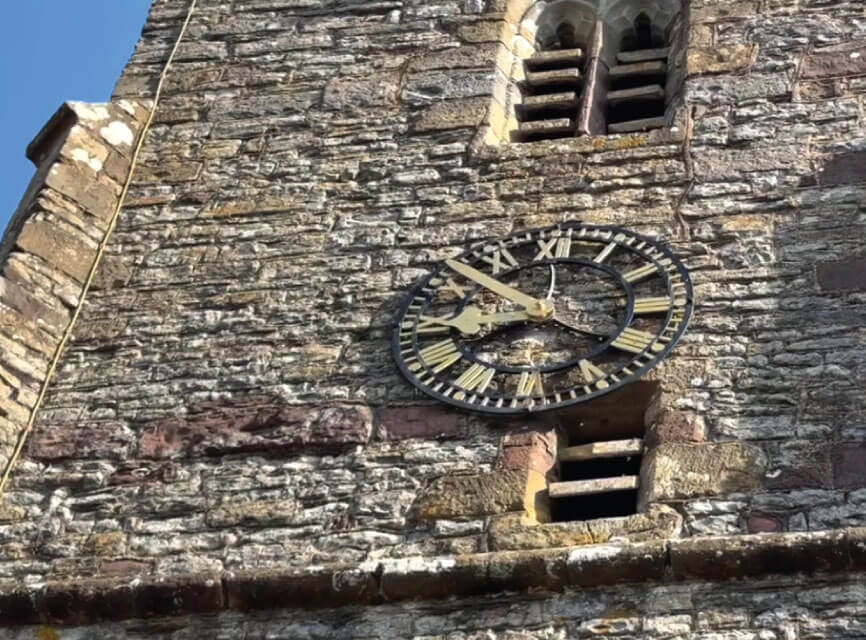
Loft
Rafter-bay colony spanning 6m. Brood board extraction, full comb removal, 23kg honey.
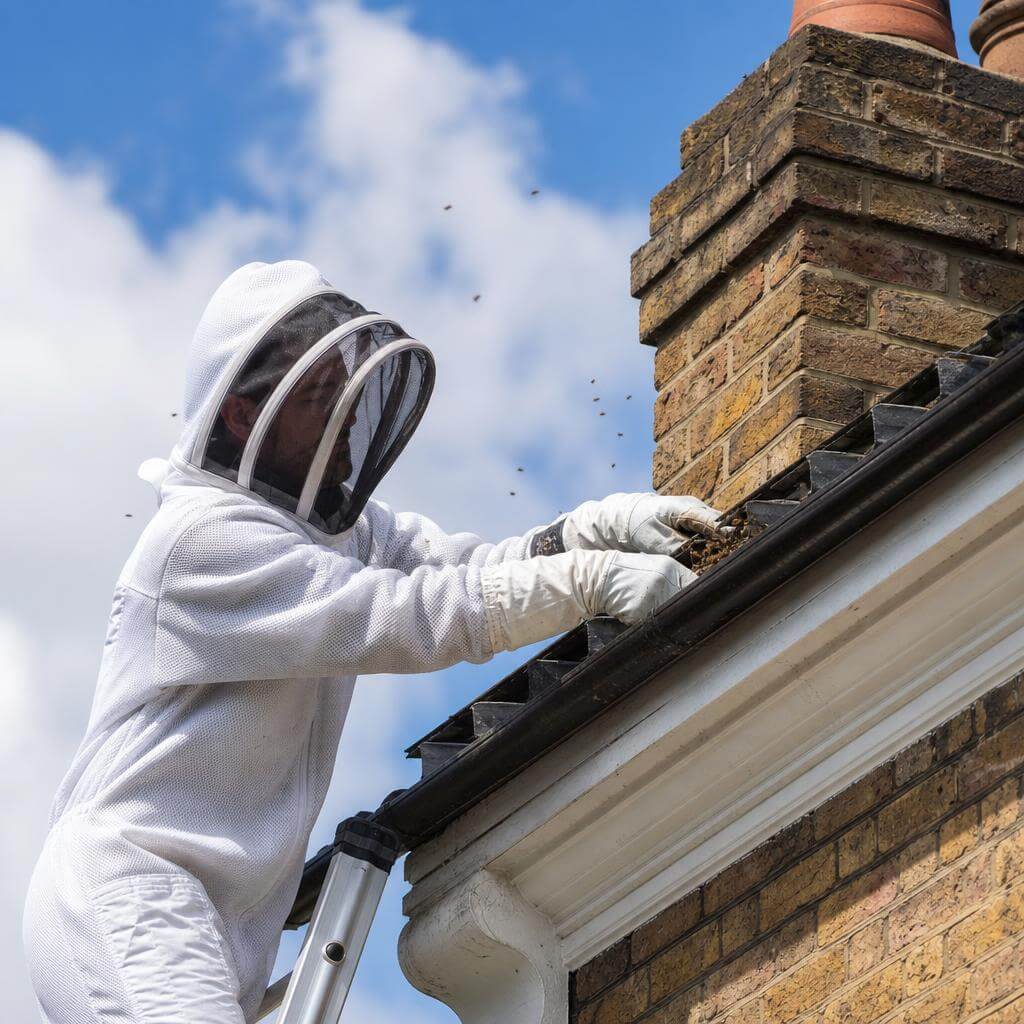
Wall cavity
Cavity wall with 3-year colony. Thermal imaging to locate extent. Proofed with stainless mesh.
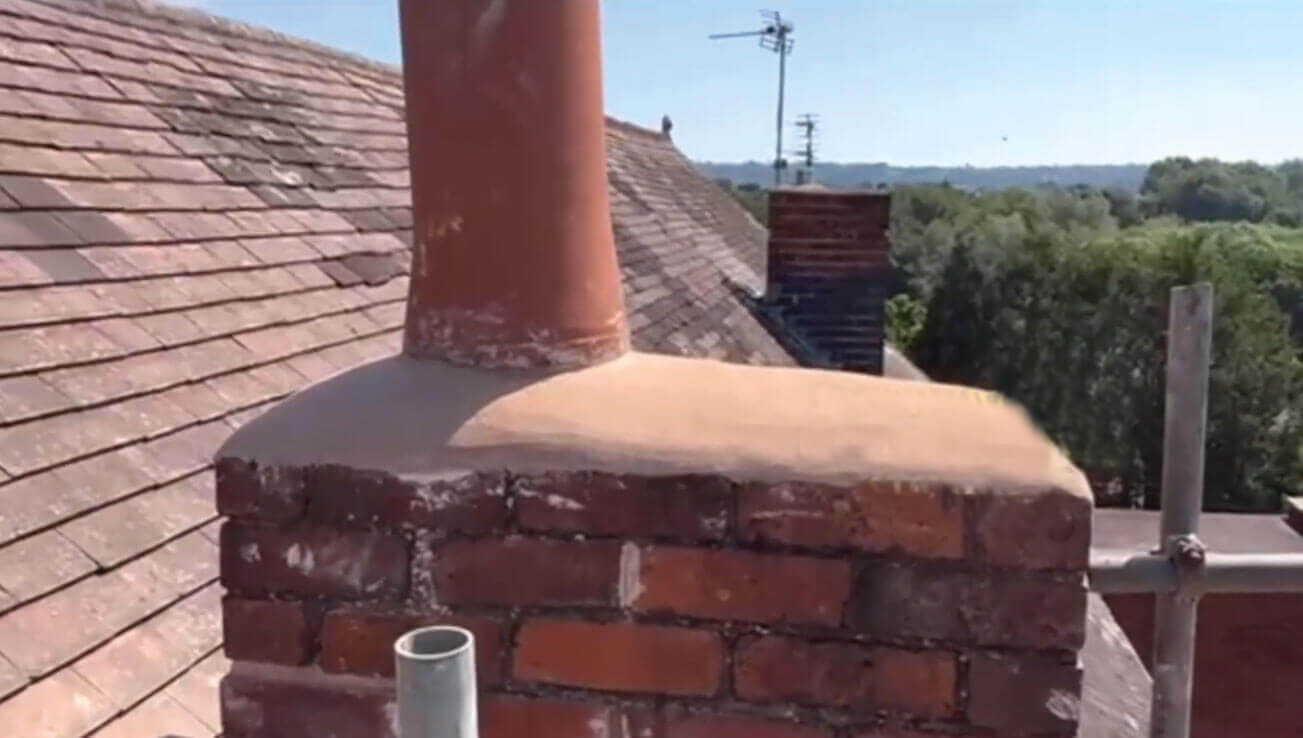
Grade II listed chimney
Victorian chimney stack, 4-year established colony, 18kg of comb recovered. Full reinstatement with lime mortar.

4.9 stars on Google
Real reviews from homeowners who needed urgent, professional help.
"Had honeybees in my chimney for two years before finding BeeSure. They attended within 48 hours, found the colony with thermal imaging, and the comb was out in a day. Brilliant, professional service."
Sarah M.
Solihull
"Used TLC for wasps previously, called BeeSure for the bees. Same professional standard. Proofing guarantee gave us real peace of mind."
James T.
Worcester
"The team explained everything before starting. Colony relocated to their apiary — much better than extermination. Highly recommended."
Phil R.
Stratford-upon-Avon
Watch us work
See the scale of established colonies and our meticulous removal process.

BeeSure operates under BASIS professional standards
Frequently Asked Questions
Will the bees come back?
No. Once the colony, queen, comb, and honey are removed and the entry points are sealed, there is nothing to attract a new swarm. We guarantee it for five years.
Do you exterminate the bees?
Never. Honeybees are always removed alive wherever possible. We work with trusted beekeeping partners across the country who can take the rescued colonies and provide them with a safe, suitable new home.
Our aim is to resolve the problem safely and permanently while giving the bees the best chance of continuing to thrive.
How much does removal cost?
Removal cost depends on access, height, colony size, and property type, and is quoted after survey. The callout fee covers the survey and written proposal.
Is it illegal to disturb a honeybee nest?
Honeybees are not a protected species in the UK. However, the Wildlife and Countryside Act 1981 does protect some other bee species. Our survey identifies exactly what you have before any work begins.
How quickly can you attend?
We aim to survey within 48–72 hours. Emergency attendance may be possible for active swarms. Peak season (April–September) lead times extend.
Do you cover my area?
We operate nationally with base rates from Birmingham (B30). Check your postcode above for exact callout fees.